

The Coastal Mill
Episode 2: The Wooden Paddle
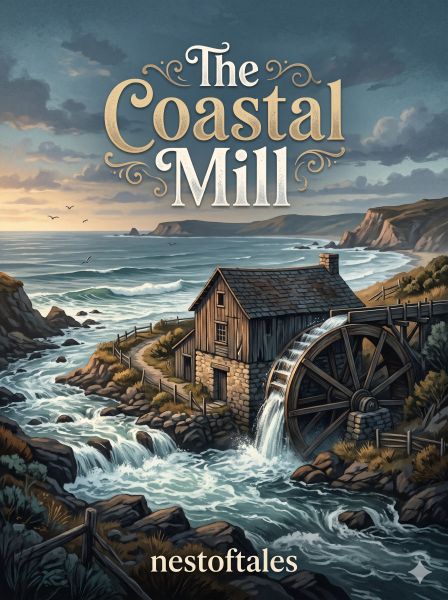
During initial rotation tests, inspection revealed that several wooden paddles on the outer wheel had rotted away. These missing paddles reduced the wheel’s rotational torque, making it inefficient for heavy grain grinding operations. Caleb and Maya spent the following days in the carpentry shed cutting replacement paddles from durable white oak. They treated each wooden board with waterproof marine sealant to protect against corrosive saltwater spray from the ocean. Using heavy galvanized carriage bolts, they bolted the new oak paddles securely onto the iron spoke framework. Working suspended over the churning water on scaffolding ropes required immense balance, coordination, and nerve. When the final oak paddle was bolted into place, the entire wheel balanced perfectly, eliminating an annoying wobble. “Those paddles will bite into the current like a well-oiled machine,” Caleb approved, inspecting their carpentry. Maya smiled, wiping sawdust from her face as she tightened the final locking nut with a wrench. The wooden paddle repairs restored structural integrity and raw mechanical power to the tidal waterwheel.
The Stone-Ground Flour
With the waterwheel turning at optimal RPMs, father and daughter turned their attention to the internal millstones. The massive, two-ton granite millstones had not crushed a single kernel of wheat in over fifteen years. They cleaned out the intricate stone furrows using specialized steel chisels, restoring the micro-grooves that sheared grain. Caleb poured a sack of organic red wheat grain into the wooden hopper above the upper millstone feeding chute. As the heavy stones spun together, driven by the turning waterwheel, a warm, fragrant stream of flour emerged. They caught a handful of the freshly milled powder, feeling its silky texture and inhaling its rich aroma. “Stone-ground whole wheat—cool-milled so it retains every natural vitamin and nutrient,” Caleb declared proudly. Maya baked a loaf of bread using the fresh flour that very evening, sharing it with her father by the hearth. The delicious taste proved that ancient milling techniques produced superior culinary results compared to modern factories. The stone-ground flour connected their coastal mill directly to the burgeoning artisan food movement.