

The Lantern Maker's Workshop
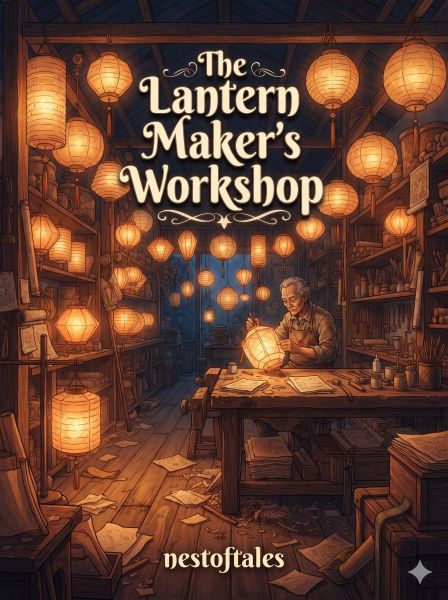
Episode 2: The Rice Paper
With the structural frames perfected, Suki and Kenji turned their attention to selecting and applying the translucent outer coverings. Traditional mulberry rice paper provided a soft, warm diffusion of light, but was prone to tearing and moisture damage. Suki sourced a new grade of polymer-infused artisan rice paper from a highland paper mill that retained traditional texture while resisting water. Kenji prepared a batch of boiled wheat-starch paste, brushing it evenly across the flexible bamboo rib cage with a wide bristle brush. Carefully laying the delicate sheets of rice paper over the curved frame, they smoothed out wrinkles with soft flannel cloths. As the paste dried, the paper tightened drum-tight over the bamboo skeleton, glowing with ethereal translucent beauty. “It breathes like traditional paper, yet withstands rain and humidity like modern architectural fabric,” Kenji observed in awe. Suki tested the tensile strength of the glued seams, nodding with professional satisfaction at the flawless finish. The rice paper successfully bridged ancient aesthetic warmth with modern durability, setting their lanterns apart from mass-produced imports.
The Digital Design
To market their newly reinvented lanterns to a wider regional audience, Suki set up a digital design and e-commerce studio upstairs. She used 3D modeling software to render customizable lantern shapes, allowing online clients to select sizes, colors, and patterns. Kenji was initially hesitant about computers and internet orders, preferring face-to-face village transactions with local patrons. However, when Suki showed him an order placed by an art collector in the provincial capital, his eyes lit up. “Someone three hundred miles away wants one of our handmade bamboo lamps shipped to their city apartment?” Kenji asked. “That’s just the beginning, Dad; our digital storefront connects us to people who value authentic craftsmanship worldwide,” Suki explained. They photographed their finest lanterns against dark studio backdrops, highlighting the warm, ambient glow of the rice paper shades. Within forty-eight hours of launching the website, orders began rolling in from design enthusiasts across the entire province. The digital design studio transformed a struggling alleyway workshop into a globally connected artisan enterprise.